Start here: consistency beats perfection
Losing weight can feel overwhelming. There's endless conflicting advice: cut carbs, fast, eat six small meals, do only cardio, never do cardio. The truth is simpler. Sustainable weight loss comes from a modest calorie deficit, strength training, daily movement and good sleep, done consistently over months.
The biggest mistake most people make is trying to be perfect. They overhaul everything at once, last two weeks and quit. Small changes you can repeat beat big changes you can't. Aim to be consistent, not flawless.
The 80/20 mindset
If you follow your plan most of the time, you'll make progress. A slice of pizza at a Friday night game or a dinner out on the Post Road won't undo a week of good habits. Quitting will.
Strength training for fat loss
Strength training is one of the most effective tools for losing weight. When you're in a calorie deficit, your body can lose both fat and muscle. Lifting tells your body to keep the muscle, so more of what you lose is fat. The result is a leaner, stronger body, not just a smaller one.
Where to begin
You don't need fancy equipment. Start with basic movements:
- Squats (to a chair or box if needed)
- Hip hinges like Romanian deadlifts with dumbbells
- Push-ups (on a wall or counter to start)
- Rows with dumbbells or a band
- Carries, walking while holding something heavy
How often
Two to three full-body strength sessions a week is a great target for most people. Add a little weight or a rep over time. That's progressive overload, and it's what drives results.
Form first
Learn each movement with light weight before going heavier. If you're unsure, a trainer can teach you in a few sessions. See strength training in Milford.
Nutrition without the drama
You can't out-exercise a diet that isn't working. But you also don't need to follow a strict plan or cut out foods you love. Focus on a few high-impact habits.
Eat more protein
Protein helps you feel full and supports muscle. Build each meal around a solid portion: chicken, fish, eggs, Greek yogurt, lean beef, beans or tofu.
Fill up on vegetables and fiber
They add volume to meals for few calories, which helps you stay satisfied while eating less overall.
Watch liquid calories
Soda, sweetened coffee drinks, juice and alcohol add up fast without making you feel full. Cutting back is one of the easiest wins.
Plan for busy days
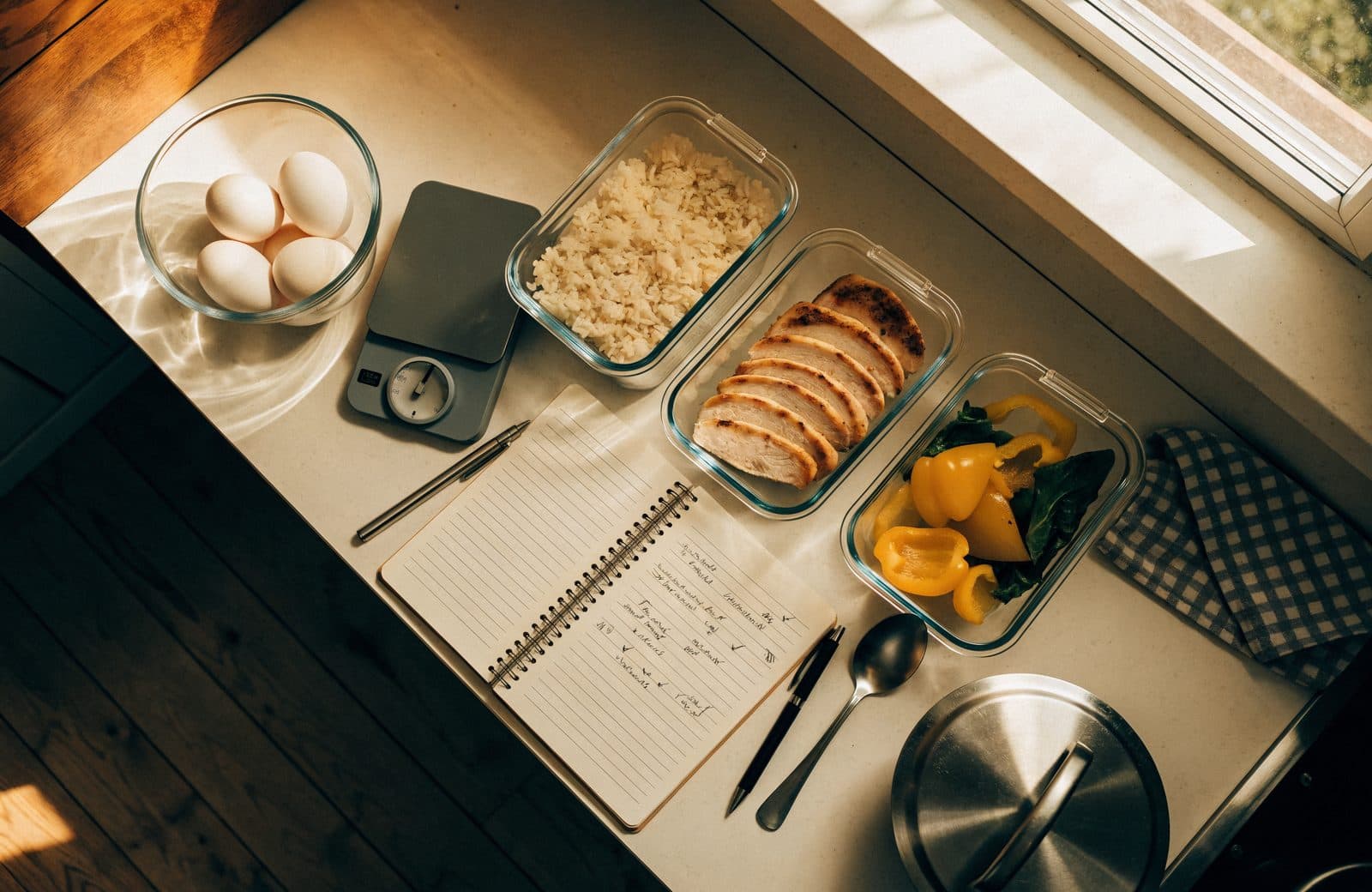
Most diets fail on the busiest days. Have a few easy go-to meals and snacks ready so you're not relying on drive-throughs.
Medical note
If you have a medical condition, take medication that affects appetite or weight, or have a history of disordered eating, work with your doctor or a registered dietitian.
Move more every day
Your workouts are important, but what you do the other 23 hours matters too. Daily steps add up to a meaningful amount of energy expended over a week. Milford makes this easy: walk the Silver Sands boardwalk, loop the Milford Green, stroll along Walnut Beach or explore the trails at Eisenhower Park. Take the stairs, park farther away, walk after dinner. It all counts.
Sleep and stress
Poor sleep increases hunger and cravings and makes training harder. High stress does the same. Aim for consistent sleep and build in ways to unwind, and your weight loss will be easier.
A simple first week
If all of this feels like a lot, start small. Here's a first week anyone can follow.
Days 1 to 3
Take a 20 to 30 minute walk each day. Add a palm-sized portion of protein to breakfast. Swap one sugary drink a day for water or seltzer.
Days 4 and 5
Do two short strength sessions: squats to a chair, wall push-ups, dumbbell or band rows, and a plank, two or three sets of each. Keep walking.
Days 6 and 7
Plan next week's meals loosely: three go-to breakfasts, three lunches, a few easy dinners. Write down one thing that went well and one thing to improve.
Then repeat
Next week, keep everything and add one small change. Stack habits slowly and you'll be surprised where you are in three months.
When to get help from a personal trainer
If you've tried on your own and keep stalling, a coach can make the difference. A personal trainer gives you a plan built for you, coaching on technique, progression and, most importantly, accountability. Many people who've struggled for years finally succeed simply because someone is checking in.
How we help
Our weight loss personal training in Milford combines strength training, nutrition habits and regular check-ins, delivered in your home or online. We also coach weight loss in Trumbull, Orange and Branford. Book a free consultation at (203) 889-7066.
FAQ
Frequently asked questions
What's the fastest way to lose weight?
Fast usually isn't sustainable. A modest calorie deficit with strength training and daily movement gives you results you can keep.
Do I need to cut carbs?
No. Carbs aren't the problem. Total calories, protein intake and food quality matter more for most people.
Should I do cardio or weights?
Both have a place, but strength training should be the foundation, with walking and conditioning on top.
How much weight should I aim to lose per week?
It varies by person. We generally favor a steady pace that you can maintain, and we'll set a realistic target together.
Can a personal trainer help with nutrition?
Yes, with practical habits and accountability. For medical nutrition needs, a registered dietitian is the right professional.
Should I weigh myself every day?
Some people like daily weigh-ins and look at the weekly average; others find it stressful. Choose the approach that keeps you consistent.
Is walking enough to lose weight?
Walking helps a lot, especially combined with better eating habits. Adding two or three strength sessions a week makes the results faster and better.